Full 4500-Word Professional Blog
Introduction
Education is experiencing one of the biggest transformations in human history. Traditional classrooms, chalkboards, and memorization-based learning are being replaced by digital tools, AI-powered tutors, interactive content, and smart classrooms.
By 2025, global education will be driven by AI, automation, cloud platforms, VR/AR, and data analytics. Students will learn faster, teachers will work smarter, and schools will operate more efficiently than ever.
This guide explains how education is evolving, what technologies are shaping the future, and how students and teachers can prepare for the next generation of learning.
1. What Is the Future of Education?
The future of education is a learning ecosystem powered by technology, personalization, and automation.
The education of 2025 will be:
- More digital
- More personalized
- More efficient
- More accessible
- More student-centered
- More global
Technology will not replace teachers — it will empower them to teach better.
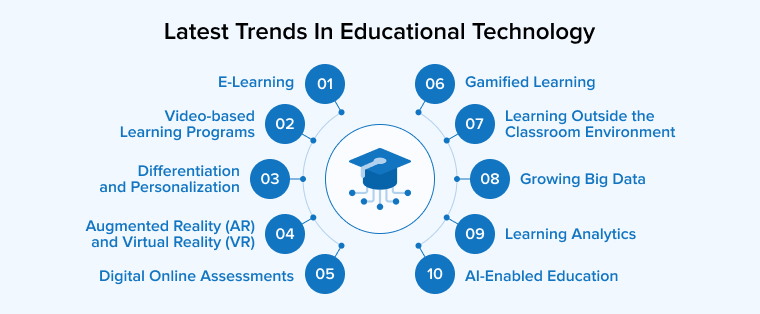
2. Key Technologies Transforming Education in 2025


A) Artificial Intelligence (AI)
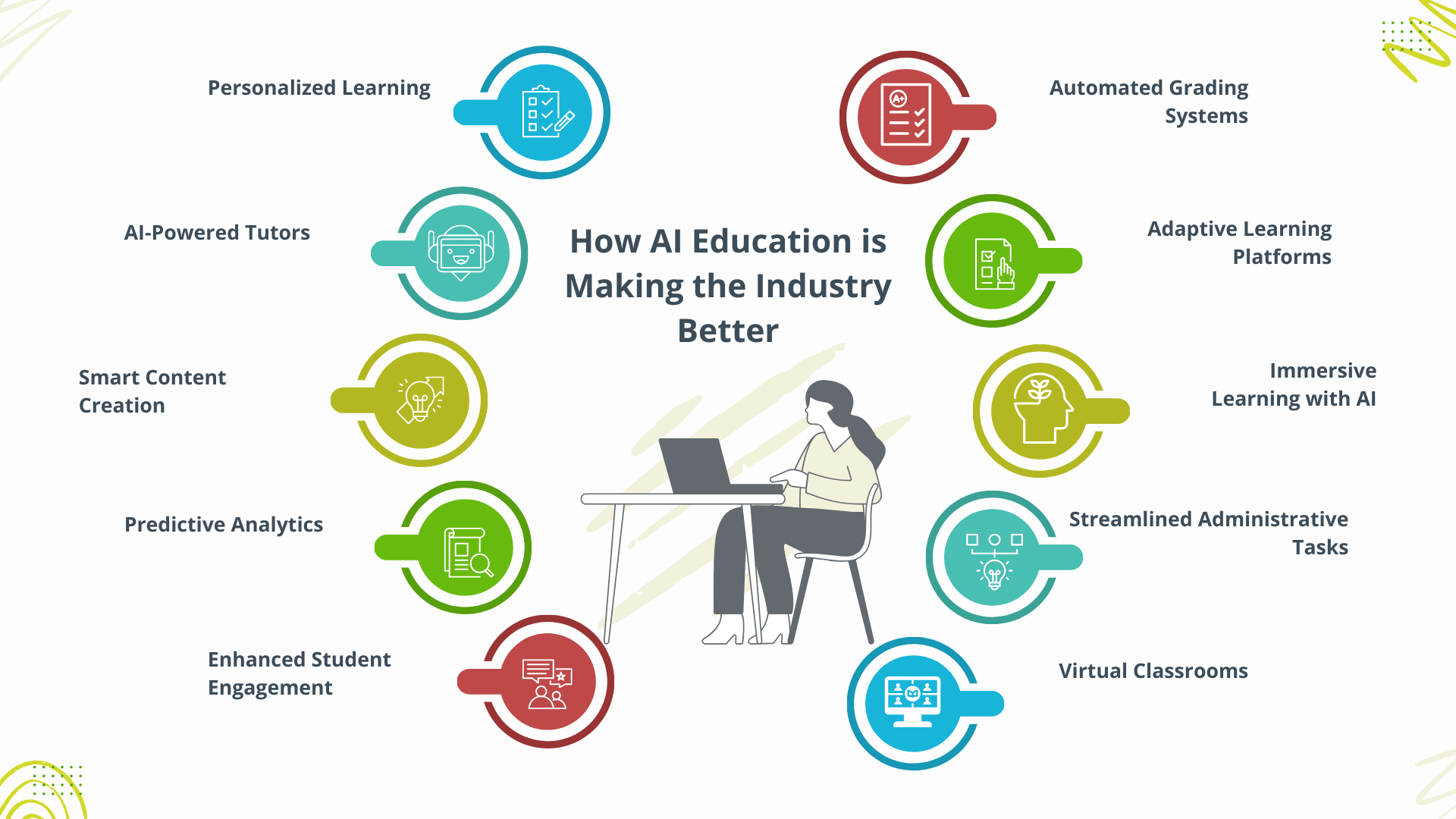
AI is the most important force behind the future of education.
What AI will do:
- Provide personalized learning paths
- Predict student performance
- Identify weak areas
- Offer instant explanations
- Automate grading
- Support teachers with smart recommendations
AI-powered tutoring systems will act like a personal teacher for every student.
B) Automation
Automation will help schools streamline repetitive tasks.
Examples:
- Automatic attendance
- Automated grading
- Assignment tracking
- Smart scheduling
- Homework checking
Teachers will save more than 30% of their weekly workload through automation.
C) Smart Classrooms
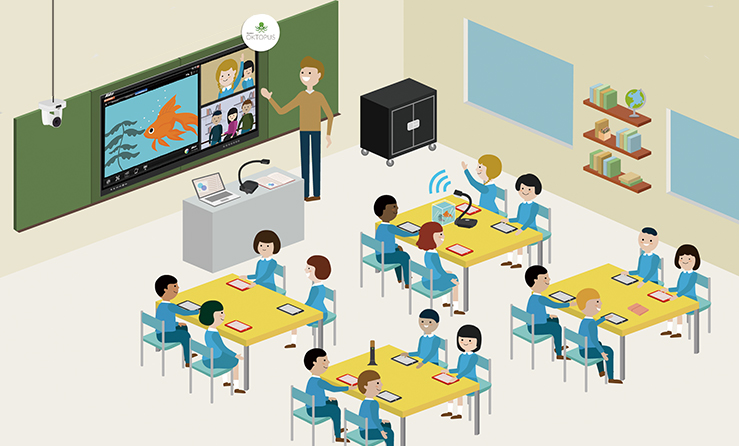
Smart boards, tablets, digital books, and interactive screens will replace traditional teaching tools.
Benefits:
- Engaging lessons
- Live quizzes
- Multi-sensory learning
- Easy content sharing
D) Virtual Reality (VR) & Augmented Reality (AR)
Students will experience immersive learning.
Examples:
- Virtual science labs
- AR history tours
- VR space exploration
- Virtual dissections in biology
This makes complex subjects easier and more enjoyable.
E) Cloud-Based Learning
All books, assignments, data, and progress reports will move to the cloud.
Benefits:
- Access from anywhere
- Easy collaboration
- Centralized learning resources
F) Data Analytics
Schools will use data to:
- Track student progress
- Identify learning difficulties early
- Personalize teaching methods
Data-driven decisions will enhance overall performance.
3. How These Technologies Improve Student Learning


A) Personalized Learning for Every Student
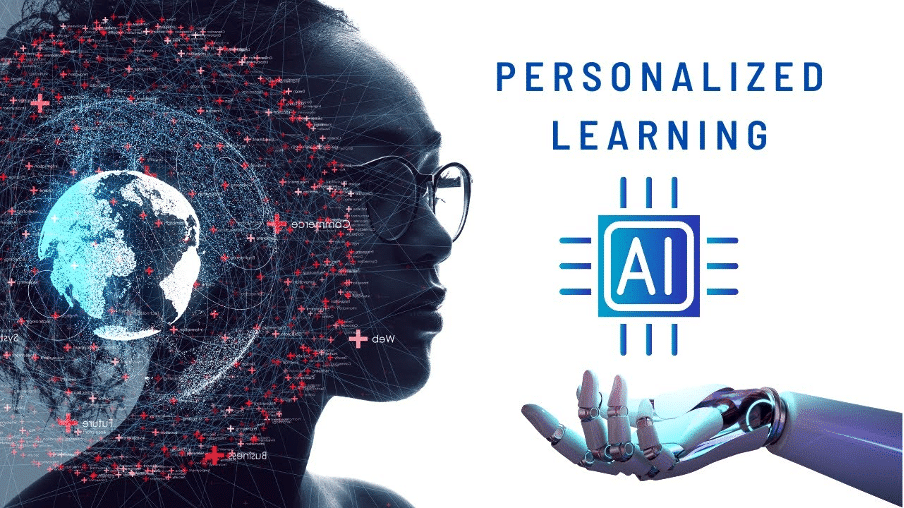
AI adjusts lessons according to:
- Learning pace
- Strengths
- Weaknesses
- Learning style
Students get a custom learning experience.
B) Higher Engagement
Interactive videos, simulations, and gamified lessons boost participation.
C) Faster Understanding
Complex concepts become easier through:
- 3D models
- Animations
- AI-based examples
D) Continuous Feedback
Students receive instant feedback, allowing them to improve instantly.
E) Learning from Anywhere
Hybrid and online learning will become normal, giving access to global education.
4. How Technology Helps Teachers in 2025

A) Time Savings
AI automates repetitive tasks such as:
- Checking papers
- Taking attendance
- Creating quizzes
B) Better Analytics
Teachers track exactly which students struggle and why.
C) Smarter Lesson Planning
AI can suggest teaching materials and create custom lesson plans.
D) Higher Classroom Engagement
Digital activities make classrooms lively and interesting.
5. Benefits for Schools
A) Lower Costs
Less paper, less physical storage, fewer textbooks.
B) Better Security
Cloud storage + smart access control protects student data.
C) Global Collaboration
Schools can collaborate across countries.
D) Stronger Parent Involvement
Parents can track progress through apps and dashboards.
6. Challenges in the Future of Education
A) Digital Divide
Not all students have access to devices or fast internet.
B) Teacher Training Needs
Teachers must learn new technologies.
C) Cybersecurity
Schools must protect student data from attacks.
D) Overdependence on technology
Students must balance tech with critical thinking.
7. Real-World Examples of Future Education in Action
Finland
AI-led personalized learning programs.
South Korea
Digital textbooks replacing traditional ones.
USA & UK
Google Classroom used in more than 70% of schools.
Singapore
Smart classrooms with high-tech tools.
8. Future Predictions (2025–2035)
A) AI Tutors for Every Student
Learning will be 100% personalized.
B) VR Schools & Virtual Classrooms
Students attend class through VR headsets.
C) Global Online Universities
Degrees earned from anywhere in the world.
D) Emotion-Understanding AI
AI will detect confusion, boredom, or stress.
E) 100% Paperless Learning
All learning materials will be digital.
Conclusion
The future of education in 2025 is bright, innovative, and full of possibilities. With AI, automation, and smart learning tools, students will learn faster, teachers will work smarter, and schools will operate more efficiently.
Education is becoming more personalized, more interactive, and more accessible than ever before. Students who adapt to these modern tools will thrive in a world shaped by digital transformation.