Introduction
Today’s world is changing faster than any time in history. Technology, automation, artificial intelligence, and digital tools are transforming how we study, work, communicate, and build careers. For students, the digital era brings more opportunities than ever — but also more competition.
Traditional career paths are being replaced with digital ones, and students who master modern skills can build high-paying, future-proof careers. This guide explains step-by-step how students can prepare for success in the digital age, what skills they must learn, how to choose the right career path, and how to stand out in the modern job market.
This is the ultimate student roadmap for building a successful future in 2025 and beyond.
1. What Is the Digital Era?
The digital era is a time where technology powers almost every industry.
Examples of digital transformation
- Online education
- AI-driven businesses
- Remote work & global teams
- Cloud-based companies
- Digital marketing
- E-commerce
- Cybersecurity
- Automation & robotics
In this era, skills matter more than degrees, and students must adapt quickly to stay competitive.
2. Why Students Must Prepare Differently Today


A) Jobs Are Changing Rapidly
According to global studies, 40% of future jobs do not exist yet, and most careers will require digital skills.
B) Skills Get Outdated Quickly
Technology evolves fast — students must keep learning continuously.
C) Companies Want Digital Talent
Businesses prefer candidates who know how to use modern tools such as AI, cloud apps, analytics, and automation.
D) Remote Work Is the New Normal
Students today can work for international companies without leaving their home.
3. Step-by-Step Guide to Building a Successful Career in the Digital Era
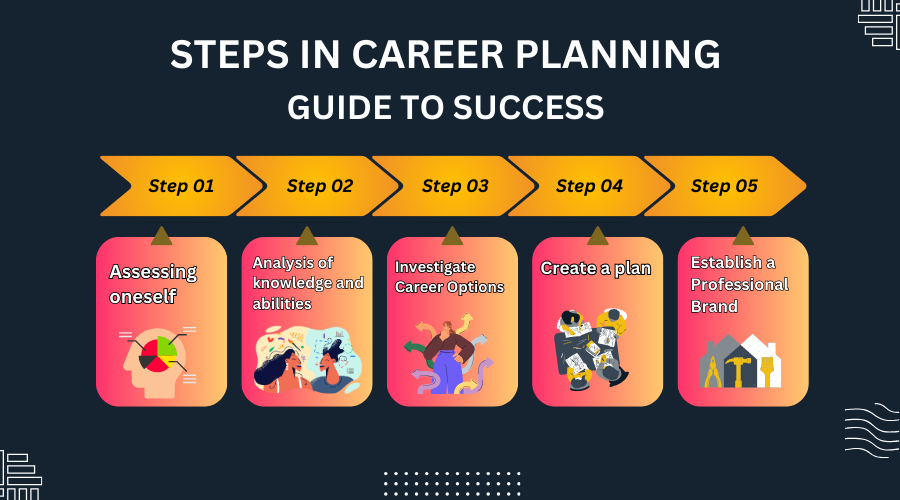


Step 1: Discover Your Interests & Strengths
Choosing the right career begins with understanding yourself.
Questions to ask
- What subjects do you enjoy the most?
- What skills come naturally to you?
- Do you prefer creative work or technical work?
- Do you enjoy working with people, data, or technology?
Tools to help
- Career personality tests
- StrengthsFinder
- Online skill assessments
Self-awareness is the foundation of career success.
Step 2: Choose a Future-Proof Career Path
Here are the top digital-era career fields students should consider:
A) Technology Careers
- Software development
- Cybersecurity
- Artificial intelligence
- Data science
- Cloud computing
- Web & app development
B) Business & Digital Careers
- Digital marketing
- E-commerce
- Project management
- Entrepreneurship
C) Creative Digital Careers
- Graphic design
- Video editing
- UI/UX design
- Content creation
D) Specialized Careers
- Robotics
- Biotechnology
- FinTech
- EdTech
Step 3: Learn Essential Digital Skills
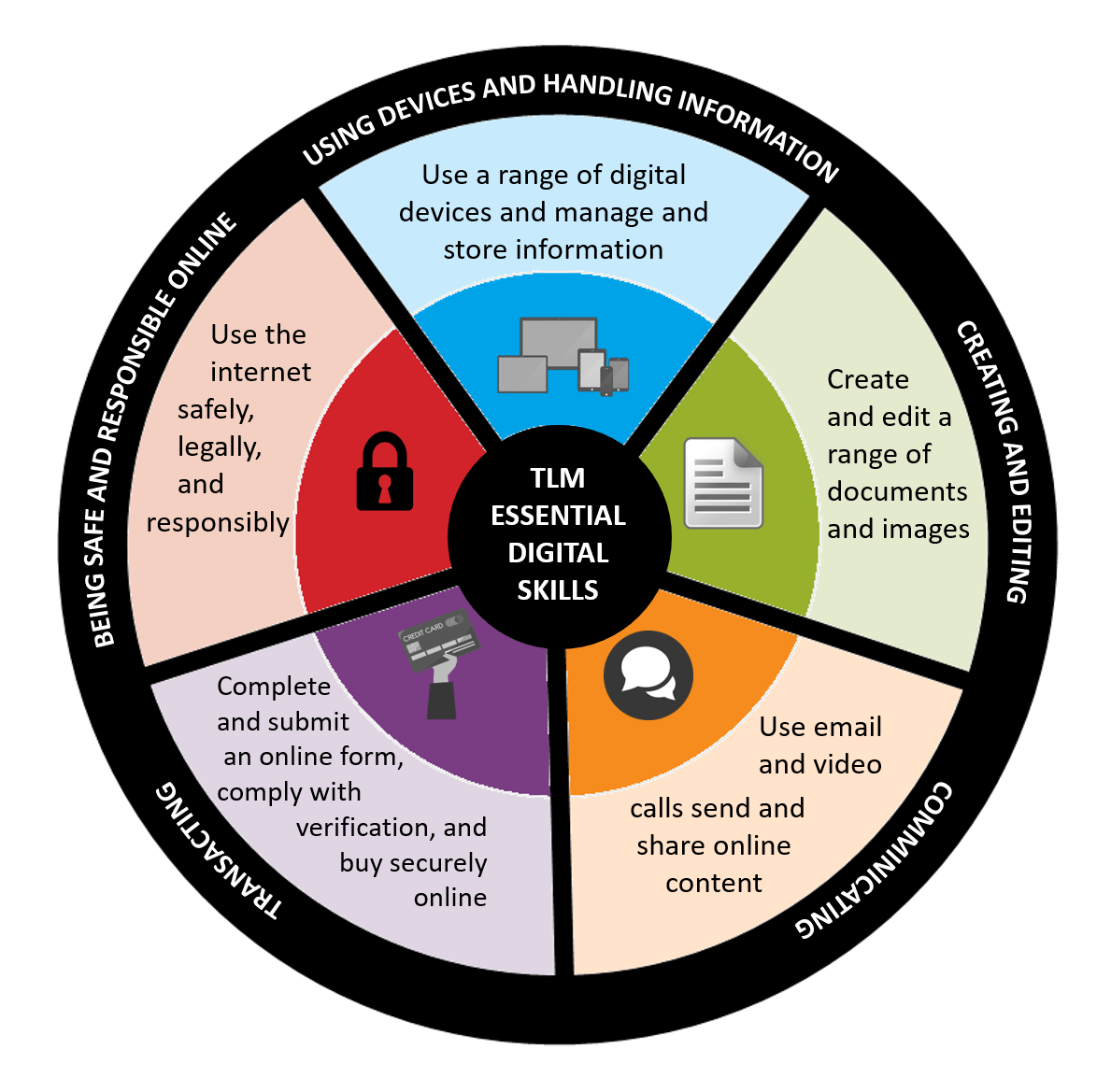


Must-have skills for every student:
- Basic computer skills
- Online research skills
- Communication tools (email, meetings, collaboration apps)
- Digital literacy
Advanced career-boosting skills:
- Coding (Python, HTML, JavaScript)
- Data analysis
- Cybersecurity basics
- AI tools usage
- Cloud tools (Google Workspace, Microsoft 365)
The more skills a student has → the more opportunities they get.
Step 4: Build Experience Even Before Graduating
Employers want experience — not just a degree.
Ways to gain real-world experience
- Internships
- Freelancing
- Volunteering
- Working on personal projects
- Participating in hackathons or competitions
Even small projects help build confidence and a professional portfolio.
Step 5: Build a Strong Digital Portfolio
A digital portfolio showcases your skills better than a resume.
What to include
- Projects
- Certificates
- Skills list
- Achievements
- Case studies
- GitHub/Behance/LinkedIn links
A good portfolio makes students stand out instantly.
Step 6: Master Communication & Soft Skills
Digital skills alone are not enough.
Students also need:
- Problem-solving
- Teamwork
- Critical thinking
- Creativity
- Leadership
- Time management
Soft skills often determine long-term success.
Step 7: Build Your Personal Brand Online
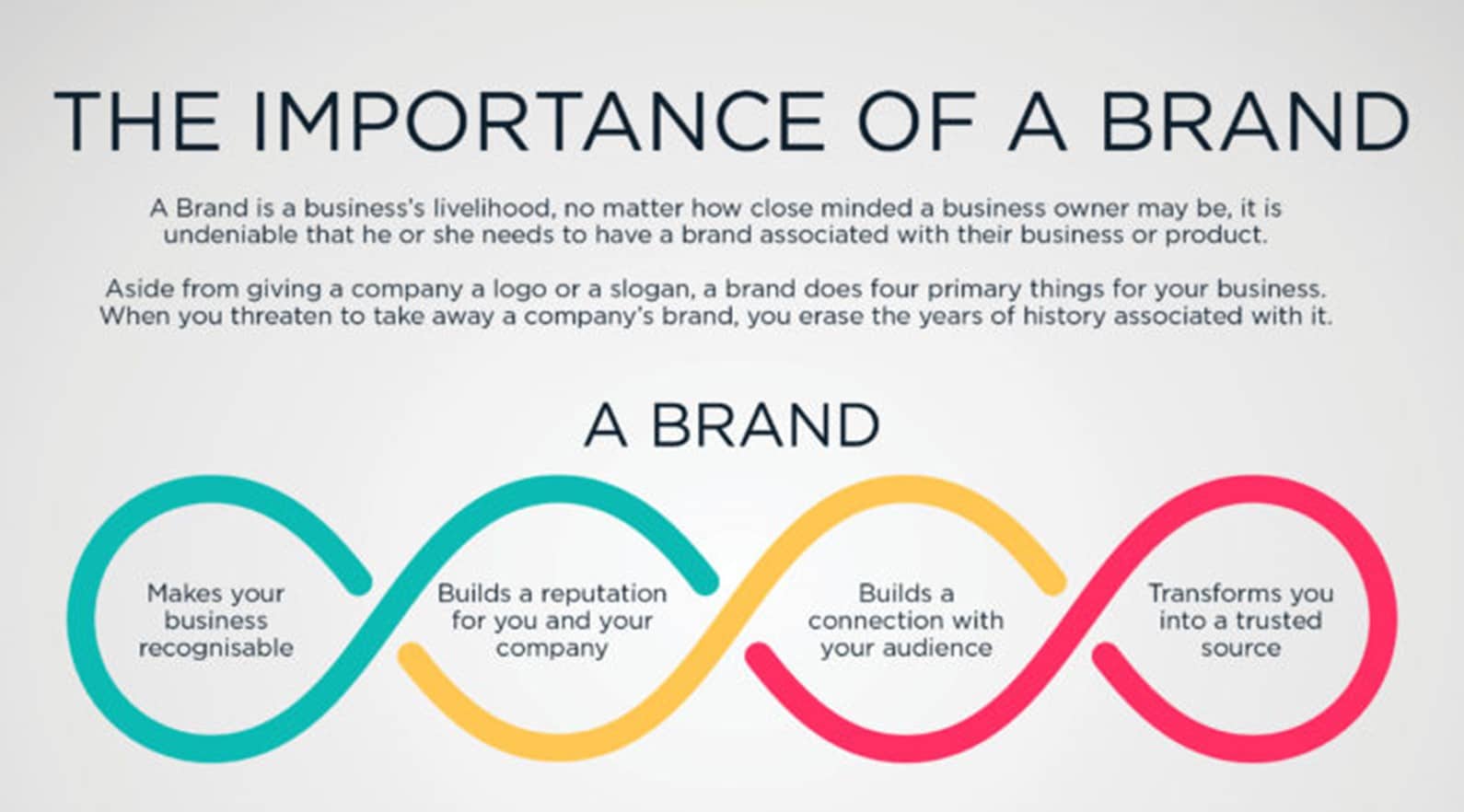
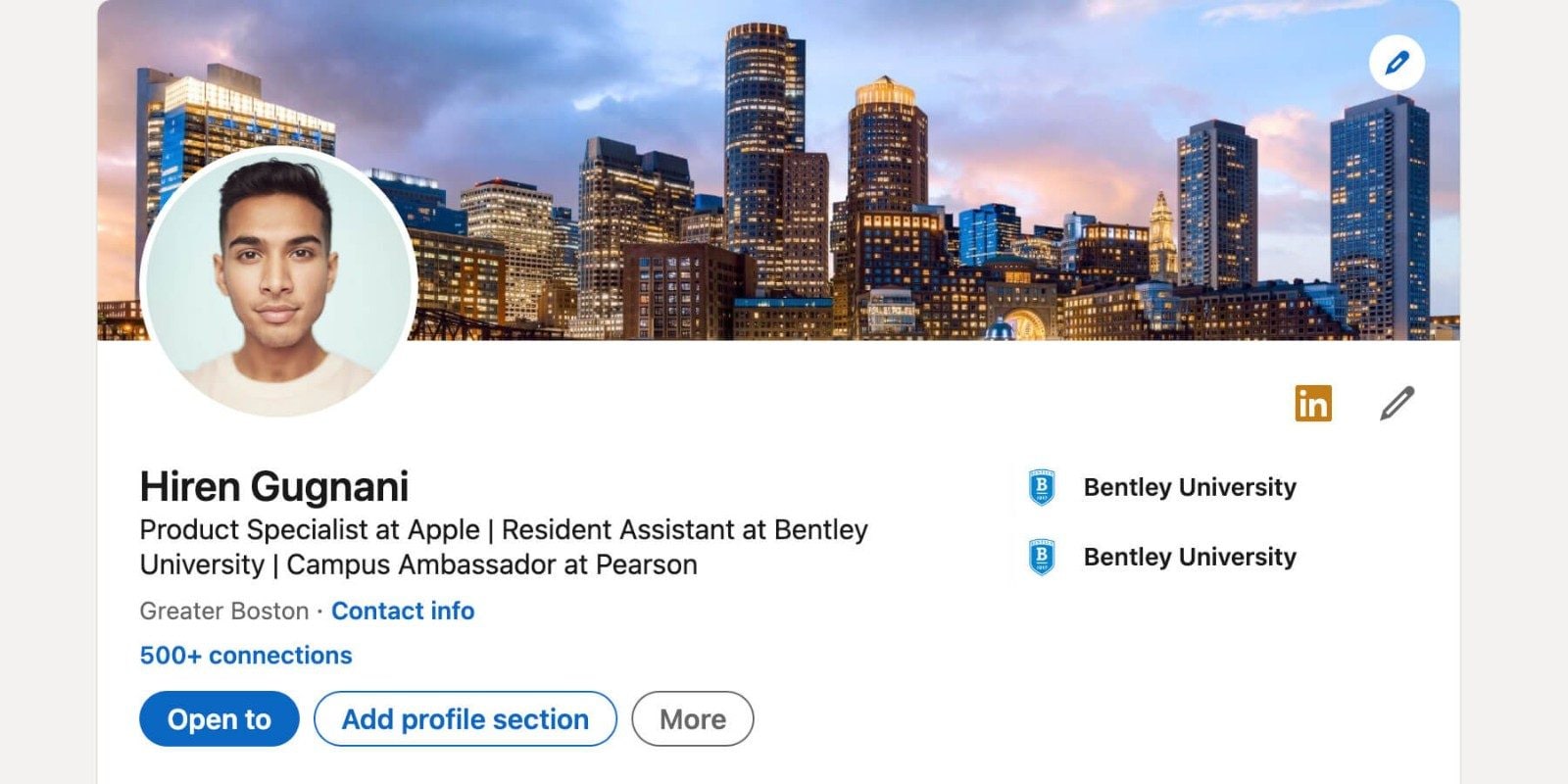

Ways to build your brand
- Create a strong LinkedIn profile
- Share your projects
- Join online communities
- Network with industry professionals
- Post educational or career-related content
A strong online presence increases your job opportunities dramatically.
Step 8: Stay Updated With Technology Trends
Students should follow:
- Tech blogs
- YouTube tutorials
- Online courses
- Webinars
- Industry news
Learning never stops in the digital era.
Step 9: Apply for Jobs the Smart Way
Tips
- Customize your resume for each job
- Use LinkedIn Jobs
- Apply for internships early
- Connect with HR managers
- Use career websites like Indeed, Glassdoor, Upwork
Smart job searching saves time and increases success.
4. Best Courses for Students in 2025
Top recommended learning platforms
- Coursera
- Udemy
- edX
- LinkedIn Learning
- Google Career Certificates
- IBM SkillsBuild
High-demand courses
- AI & Machine Learning
- Data Science
- Cybersecurity
- Digital Marketing
- Cloud Computing
- UI/UX Design
5. High-Paying Careers in the Digital Era
Here are some careers with excellent salary potential:
A) Tech Jobs
- AI Engineer
- Data Scientist
- Cybersecurity Analyst
- Cloud Architect
- Software Developer
B) Creative Digital Jobs
- Video Editor
- Social Media Manager
- Graphic Designer
- UI/UX Designer
C) Business Jobs
- Digital Marketing Specialist
- Project Manager
- Business Analyst
The digital economy pays well for the right skills.
6. Common Mistakes Students Should Avoid
- Choosing a career without research
- Ignoring digital skills
- Not building a portfolio
- Waiting until graduation to gain experience
- Avoiding new technology
- Poor communication skills
Avoiding these mistakes speeds up career success.
7. The Future of Student Careers
The next decade will bring:
- More remote jobs
- AI-powered workplaces
- Digital collaboration
- Global job opportunities
- More freelancing & entrepreneurship
Students who prepare now will thrive in the future job market.
Conclusion
Building a successful career in the digital era requires the right skills, mindset, and strategy. Students must embrace technology, learn continuously, build real-world experience, and create a professional digital presence.
The future belongs to those who are prepared — and with the right steps, every student can create an exciting, high-growth career path in the digital world.