Introduction
Education has evolved dramatically over the past decade. With the rise of the internet, smart devices, and digital platforms, learning is no longer restricted to classrooms. Today, millions of students learn online through E-learning—a flexible, accessible, and technology-driven method of education.
By 2025, e-learning has become a major part of global education systems. Schools, universities, companies, and governments use it to train and educate millions of learners worldwide. This guide explains what e-learning is, how it works, its benefits, challenges, types, and its global impact.
1. What Is E-Learning?
E-learning (electronic learning) refers to education delivered through digital technologies rather than traditional classroom teaching.
Common forms of e-learning:
- Online classes
- Video lectures
- LMS (Learning Management Systems)
- Mobile learning apps
- Virtual classrooms
- Self-paced online courses
- Interactive quizzes & simulations
E-learning allows students to learn anytime, anywhere, with unlimited access to learning materials.
2. Types of E-Learning


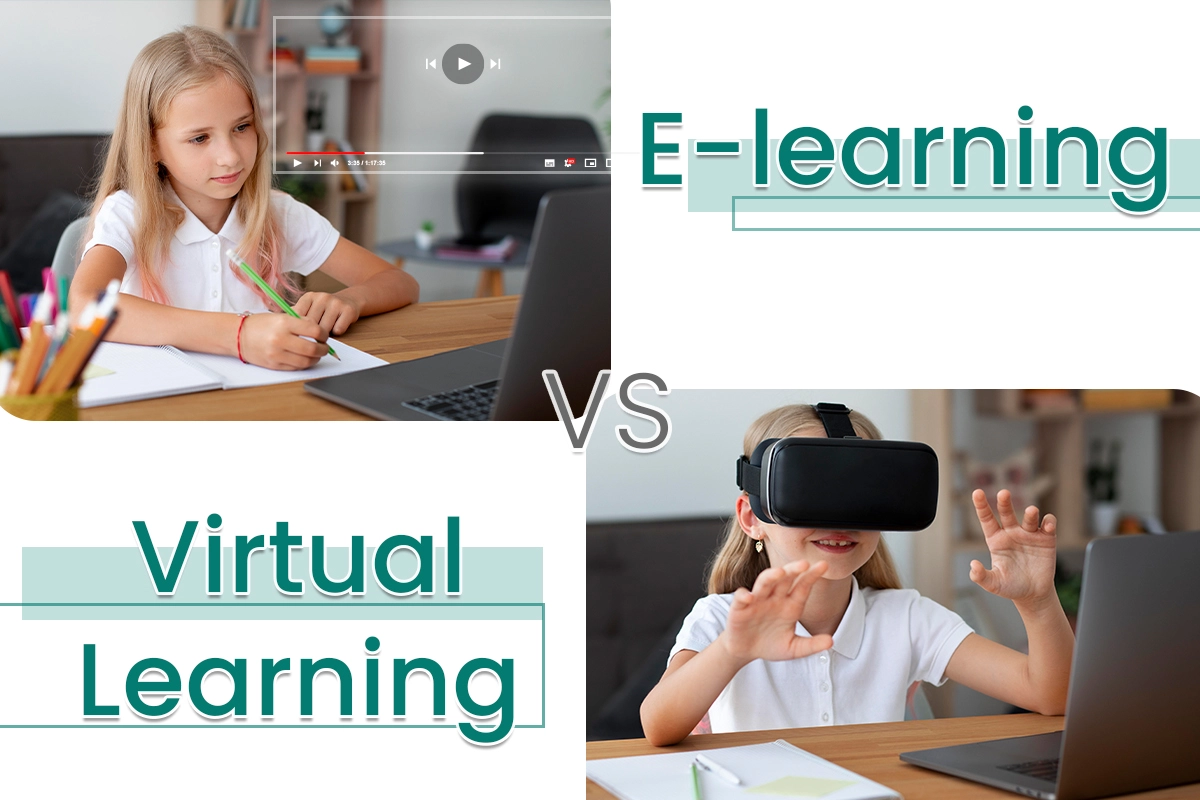
A) Synchronous E-Learning (Live Learning)
Students and teachers interact in real-time.
Examples:
- Live Zoom classes
- Virtual classrooms
- Webinars
B) Asynchronous E-Learning (Self-Paced)
Students learn at their own pace without live sessions.
Examples:
- Recorded lectures
- Online modules
- Digital assignments
C) Hybrid or Blended Learning
Combination of online learning + classroom teaching.
D) Mobile Learning (M-Learning)
Learning through smartphones and tablets.
E) Microlearning
Small, bite-sized lessons that students can learn quickly.
F) Gamified E-Learning
Using game elements (points, badges, levels) to make learning fun.
3. Key Features of E-Learning
- Flexibility
- Repeatable lessons
- Multimedia integration
- Instant assessments
- Online certifications
- Global classroom access
E-learning uses videos, slides, animations, quizzes, simulations, and interactive elements to make learning engaging.
4. Benefits of E-Learning

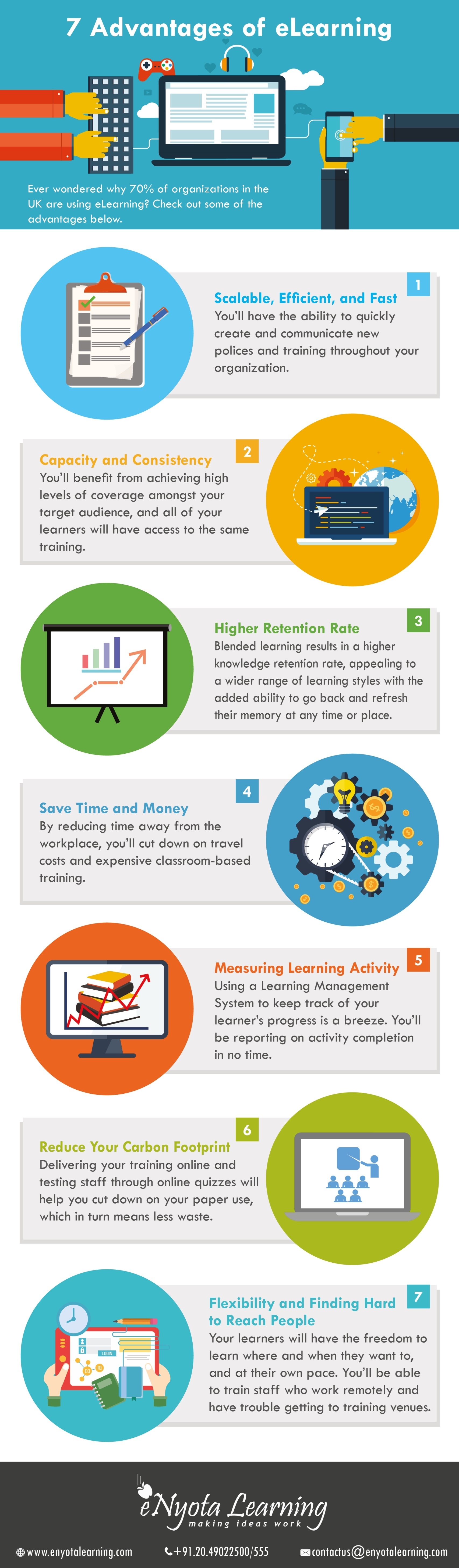
A) Learn Anytime, Anywhere
Students can learn at home, at school, or while traveling.
B) Self-Paced Learning
Students can repeat lessons, pause lectures, and revise anytime.
C) Cost-Effective
No travel, accommodation, or printed textbooks required.
D) Huge Variety of Courses
Students can study any subject—from coding to medicine to art.
E) Better Engagement Through Multimedia
Videos, AR, animations, and quizzes improve understanding.
F) Accessibility for All
E-learning supports:
- Students with disabilities
- Rural learners
- Working adults
G) Global Learning Opportunities
Students can learn from teachers and universities worldwide.
5. Challenges of E-Learning
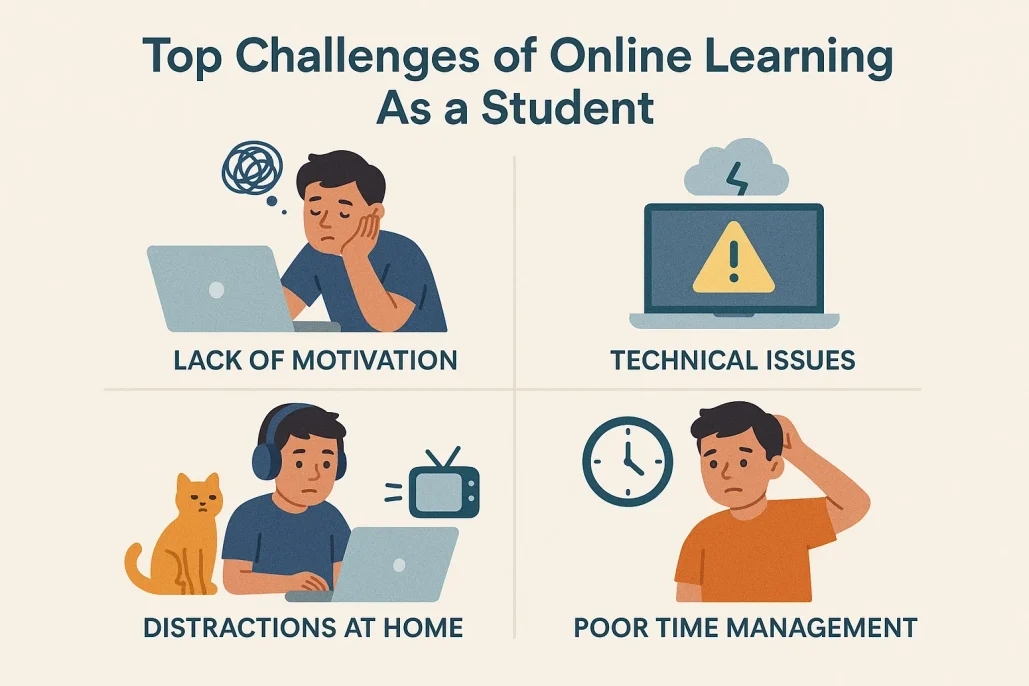

A) Lack of Discipline
Self-paced learning requires strong motivation.
B) Internet Issues
Not all students have stable internet.
C) Limited Social Interaction
Face-to-face communication decreases.
D) Digital Distractions
Social media and phone notifications interrupt learning.
E) Technical Problems
Software or device issues interrupt classes.
F) Teacher Training Requirements
Educators must learn digital tools and platforms.
6. Essential Tools for E-Learning


A) Learning Management Systems (LMS)
- Google Classroom
- Moodle
- Canvas
- Microsoft Teams
B) Video Conferencing Tools
- Zoom
- Google Meet
- Skype
C) Content Creation Tools
- Canva
- PowerPoint
- Prezi
D) Assessment Tools
- Kahoot
- Quizizz
- Socrative
E) Collaboration Tools
- Notion
- Slack
- Trello
7. E-Learning in Schools, Colleges & Universities

School Students
Use e-learning for:
- Online homework
- Videos
- Interactive apps
- Subject learning
College Students
Use e-learning for:
- Skill development
- Research
- Online discussions
- Flexible schedules
University Students
Use e-learning for:
- Distance education
- Advanced courses
- Professional certifications
8. Global Impact of E-Learning

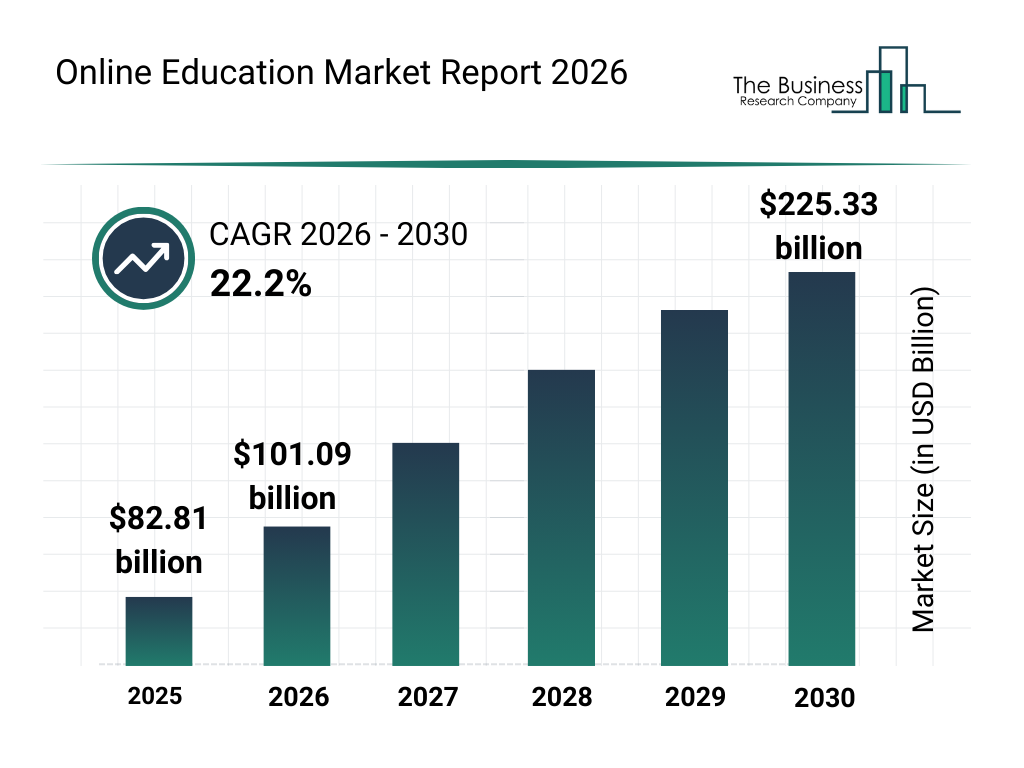
A) Increased Access to Education
Millions who couldn’t attend school now learn online.
B) Global Skill Development
Learners worldwide gain job-ready skills like AI, coding, and digital marketing.
C) Economic Growth
Online courses build skilled workforces.
D) Educational Equality
Students in remote areas get access to quality education.
E) Environmental Benefits
Less travel + less paper = greener education.
9. Future of E-Learning (2025–2035)


AI-Personalized Courses
Courses that adapt automatically to each student.
Virtual Reality (VR) Classrooms
Fully immersive learning experiences.
Gamified Learning
More interactive, reward-based learning.
Micro-Degree Programs
Short certifications replacing long university degrees.
Skill-Based Hiring
Companies hire based on online certifications and real skills.
Conclusion
E-learning is reshaping education by making learning more accessible, flexible, and effective. With multimedia content, AI tools, and global connectivity, students can learn anything from anywhere.
Although challenges like internet access and self-discipline exist, the benefits of e-learning far outweigh them. The future of education is digital — and e-learning is at the center of this transformation.